Skip to content

Done well, product sampling is one of the most powerful tools in a brand’s marketing arsenal. Getting your product into the hands of real people – people who might never have picked it off a shelf – can be the difference between a slow launch and a sell-out one.
But “product sampling” isn’t one single thing. There’s a whole range of strategies available, each suited to different products, audiences and goals. Pick the wrong one, and you’ll spend budget reaching people who were never going to buy. Pick the right one, and you’ll build genuine brand loyalty fast.
This guide covers the eight most effective product sampling strategies, what makes each one work, and how to choose the right approach for your next campaign.
8 Product Sampling Strategies at a Glance
| Strategy | Best For | Key Benefit |
|---|---|---|
| In-Store | FMCG, food & drink, beauty | Drives immediate purchase at point of sale |
| Direct Mail | Targeted demographics, subscription products | Reaches people at home, in a receptive mindset |
| Online / Digital | E-commerce brands, data-led campaigns | Collects first-party data alongside the sample |
| Event Sampling | Niche audiences, lifestyle brands | High relevance – samples reach genuinely interested people |
| Influencer Gifting | Beauty, lifestyle, health & wellness | Leverages built-in audience trust |
| Subscription Box | Premium, curated products | Ongoing exposure to a loyal, targeted audience |
| University Sampling | Youth brands, first-time buyers | Builds early brand loyalty at a formative stage |
| Workplace Sampling | Health, food, everyday essentials | Reaches professionals in a relaxed, captive setting |
Get in touch with the Relish team
The 8 Product Sampling Strategies, Explained
1. In-Store Sampling
In-store sampling puts your product directly in front of shoppers at the moment they’re most likely to buy. A well-placed demo in a supermarket or retail store lets customers try before they commit – and removes the biggest barrier to first purchase: uncertainty.
It works especially well for:
- Food and drink products where taste is the main selling point
- Beauty and personal care items that benefit from a hands-on experience
- Any product where seeing it in action makes the difference
There’s also a secondary benefit: your sampling team gets to answer questions in real time, which can dramatically improve conversion rates compared to passive shelf presence.
2. Direct Mail Sampling
Direct mail puts samples through the letterbox and straight into people’s homes – arguably the most receptive environment imaginable. There’s no distraction, no competing products, and no time pressure.
It’s a particularly smart approach when you want to:
- Reach a specific geographic area or demographic
- Pair a sample with a discount code or promotional offer
- Support a new product launch with a high-impact physical touchpoint
The targeting possibilities have also improved significantly. Modern direct mail sampling can be matched to household data, ensuring your samples land with the people most likely to convert.
3. Online / Digital Sampling
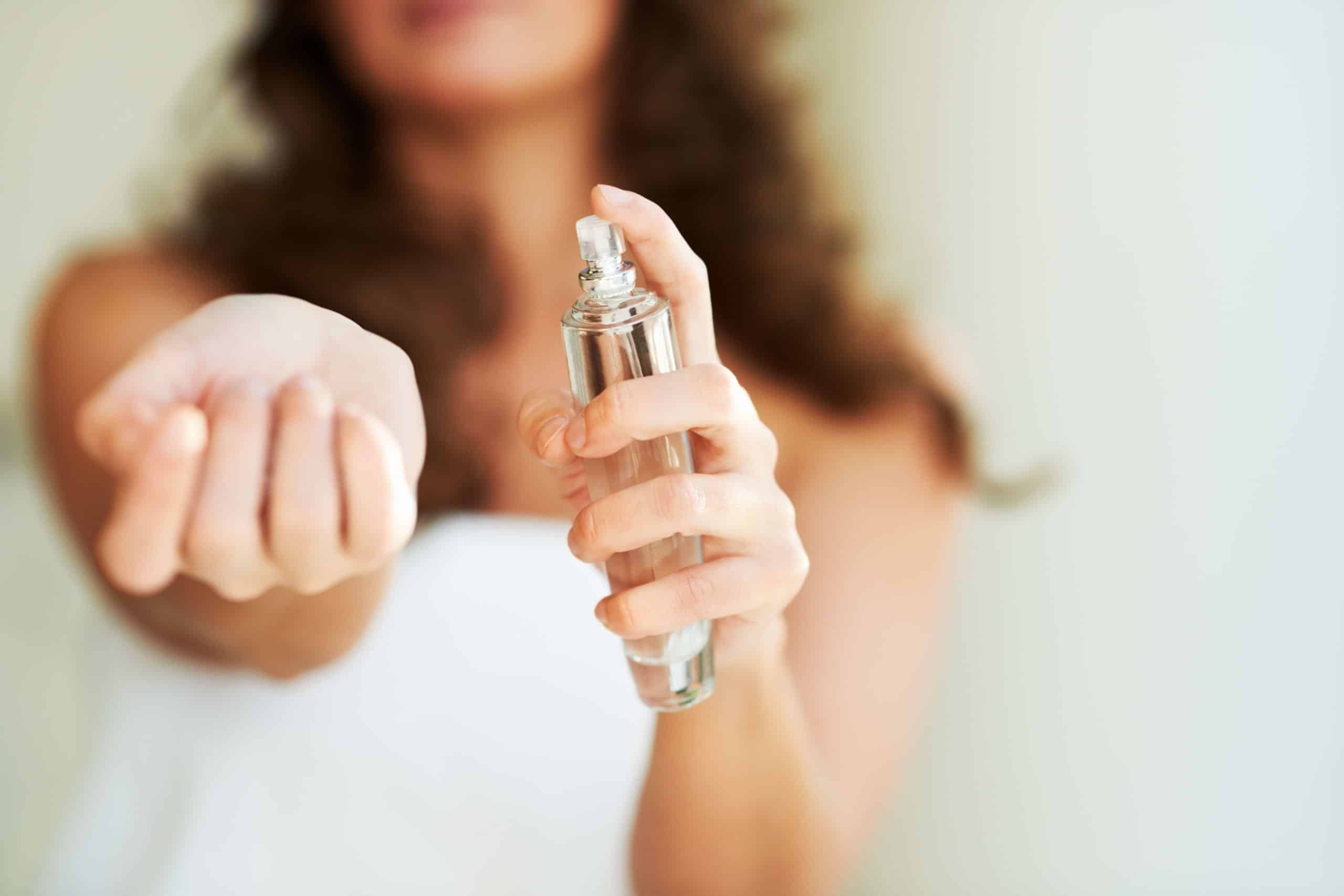
Digital sampling bridges the gap between physical product trial and online shopping behaviour. Brands can offer samples via their website, social media, or through dedicated sampling platforms – with the added advantage of capturing first-party data in the process.
The real value here is what you learn:
- Email addresses and purchase intent data collected at the point of request
- Conversion tracking from sample request to purchase
- Engagement metrics that inform future campaigns
As more consumers shop online, digital sampling has become an increasingly important channel – particularly for e-commerce brands that don’t have a physical retail presence to lean on.
4. Event Sampling
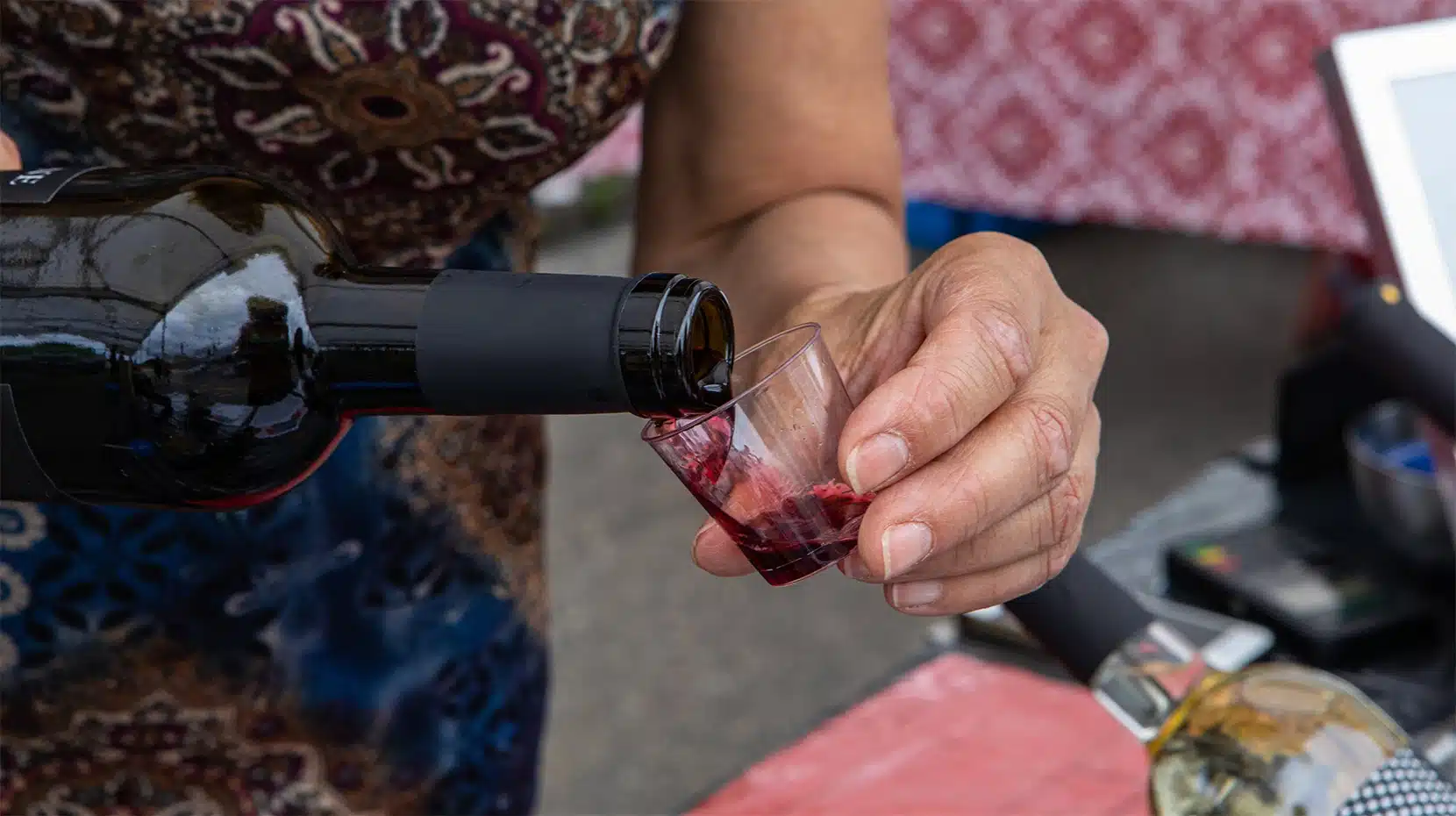
Event sampling is about relevance. Rather than casting a wide net, you’re putting your product in front of people who are already self-selected as your target audience.
A sports nutrition brand at a half marathon. A sustainable cleaning product at an eco-living festival. A premium gin at a food and drink fair. The context does half the selling for you.
Event sampling tends to work best when:
- Your product has a clear lifestyle or interest alignment with the event
- There’s an opportunity for face-to-face conversation and brand storytelling
- The event attracts a genuinely engaged (rather than just large) audience
5. Influencer Gifting
Influencer gifting combines sampling with social proof. You send your product to carefully chosen creators, who share their genuine experience with their audience – an audience that already trusts their recommendations.
Unlike paid advertising, influencer gifting doesn’t feel like an ad. That authenticity is the point. When an influencer genuinely loves a product, their followers notice – and they’re far more likely to act on it.
Things to consider when choosing influencers:
- Engagement rate matters more than follower count
- Micro-influencers (10k–100k followers) often outperform bigger names for niche products
- Alignment between the creator’s content and your product category is non-negotiable
6. Subscription Box Sampling
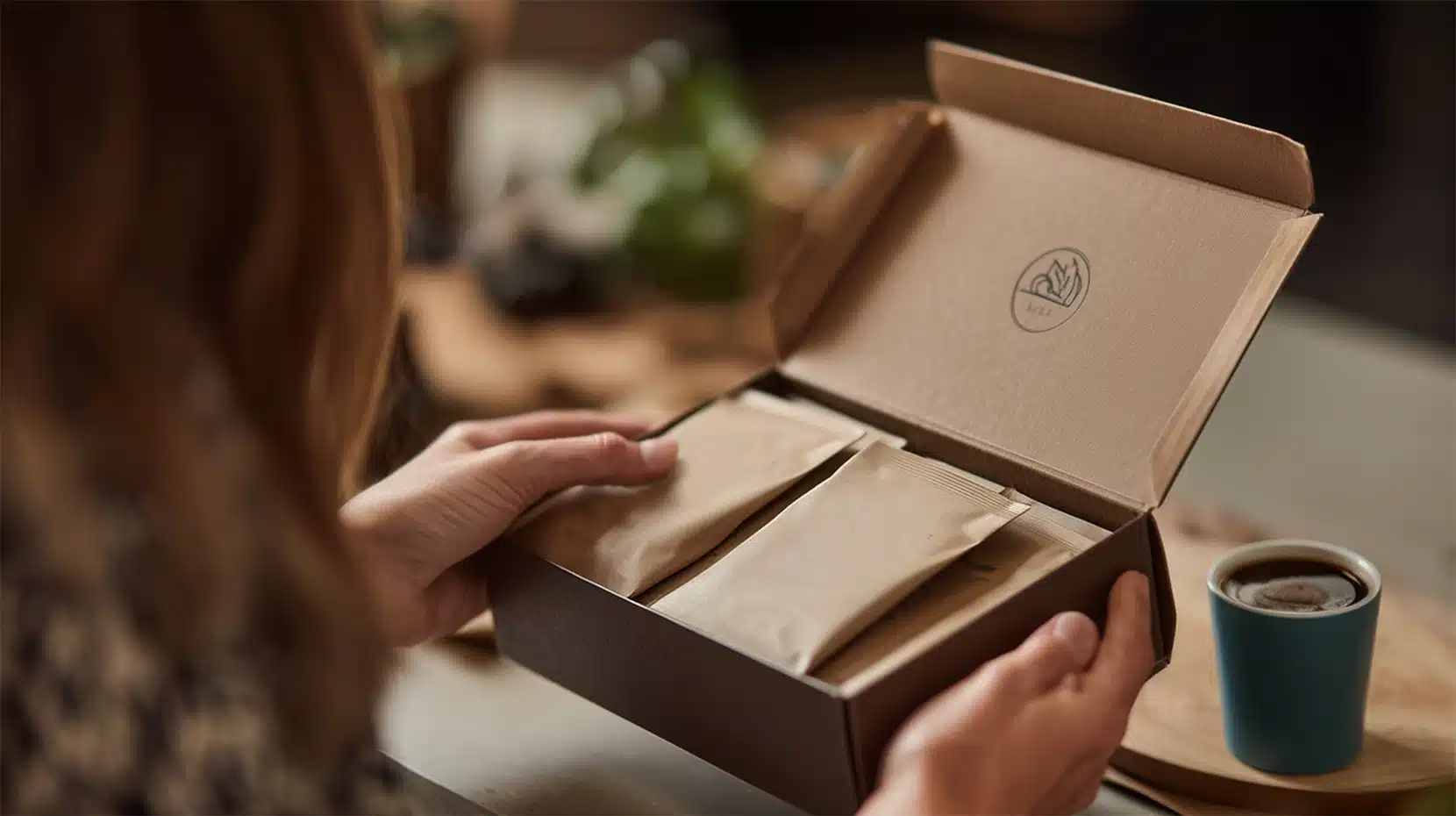
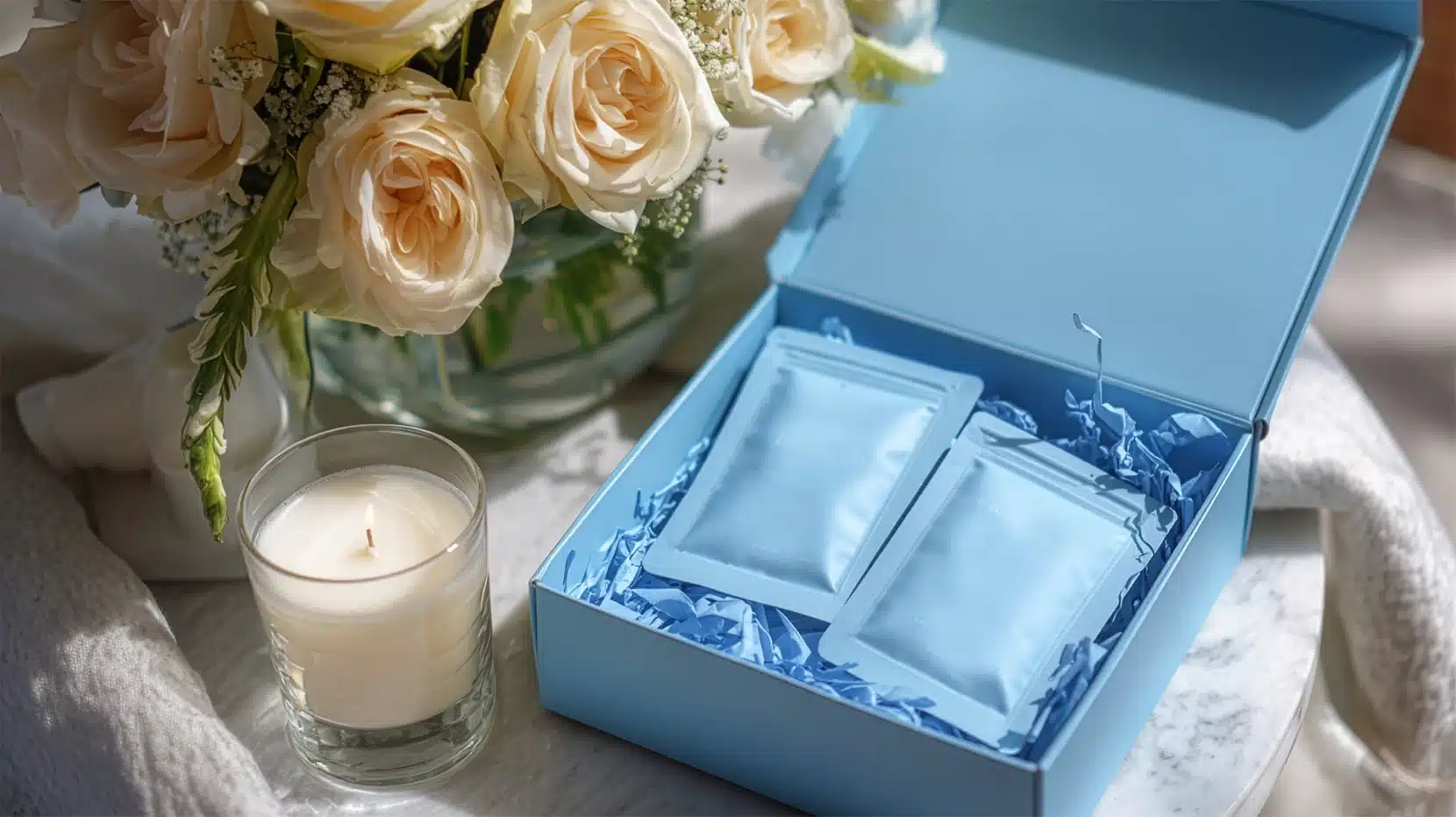
Subscription boxes have created a highly engaged, product-curious audience – and getting your sample into one puts you directly in front of them.
Subscribers to beauty, food, or lifestyle boxes are actively seeking out new products. They’re not just tolerating your sample; they’re excited to find it. That mindset makes subscription box sampling one of the highest-quality sampling environments available.
It’s particularly effective for:
- Premium products that benefit from a curated, high-quality context
- Beauty, wellness and food brands looking to reach loyal, trend-forward consumers
- Brands wanting ongoing exposure across multiple box cycles
7. University Sampling
Students are at a unique life stage: forming habits, making independent purchasing decisions for the first time, and highly open to new brands. That makes universities one of the most valuable sampling environments for brands with a youth demographic.
Whether it’s freshers’ week activity or ongoing campus presence, university sampling creates early brand loyalty at a formative moment. The students who try your product today could be buying it for the next 30 years.
Note that universities typically have guidelines about what can be distributed on campus and where – working with an experienced sampling agency takes the legwork out of navigating these.
8. Workplace Sampling
Offices, gyms and other workplace environments offer something valuable: a captive audience in a relaxed, social setting. People are more likely to chat about a new product they’ve tried at work, which means organic word-of-mouth alongside the sample itself.
As employer wellness programmes have grown, so has the opportunity for brands in food, drink, health and personal care to reach professionals through workplace sampling. It’s a channel that remains underused by many brands – which is precisely what makes it interesting.
Subscription box sampling also allows companies to generate ongoing exposure for their products.
Talk to Relish – we’ll help you find the best fit
How to Choose the Right Product Sampling Strategy
The best strategy isn’t the most popular one or the cheapest one – it’s the one that puts your product in front of the right people, in the right context, at the right time.
Here’s what to work through before committing to a channel:
1. Define your target audience
Start here. Who are you trying to reach, and where do they spend their time? A product aimed at health-conscious 25–35 year olds will find a very different audience at a gym sampling event versus a door drop. The more specific you can be about your ideal customer, the easier it is to choose the right channel.
2. Be realistic about your product
Not every product is equally easy to sample. Think about size, shelf life, packaging, and cost per unit. A beauty serum might work beautifully as a sachet insert; a bulky home appliance won’t. Choose a format that makes the trial experience feel generous, not half-hearted.
3. Match the channel to the moment
Where is someone most likely to be receptive to your product? At the supermarket, already in purchase mode? At home, where they can try something at their own pace? At a festival, already in a feel-good mindset? The sampling environment shapes the experience as much as the product itself.
4. Set clear objectives before you start
Be specific about what success looks like. For example:
- Brand awareness – how many people will be exposed?
- Trial conversion – what percentage of people who try it should go on to buy?
- Data collection – how many email sign-ups or survey responses do you need?
- UGC generation – how many pieces of social content do you want to come out of it?
Clear objectives make measurement straightforward – and make it much easier to judge whether the campaign was worth it.
5. Think about the full experience
A sample on its own is just a product. A sample with a clear message, a reason to buy, and an easy route to purchase is a campaign. Consider how you’ll support the sample with compelling creative, a strong call to action, and a seamless path to conversion – whether that’s a QR code, a discount code, or a follow-up email.
6. Plan how you’ll measure it
The most common mistake in sampling campaigns is treating distribution as the end goal. It isn’t. Track what matters: redemption rates, follow-up purchases, social mentions, review uplift. Use the data to improve your next campaign, not just to report on this one.
FAQs
The most widely used sampling methods are in-store sampling, direct mail, digital sampling, event sampling, influencer gifting, subscription box inclusion, university sampling, and workplace sampling. Each works differently depending on your product type, target audience, and campaign goals.
Start with your audience. Where do they spend time, and where are they most receptive to discovering new products? From there, consider your product format, budget, and what you’re trying to achieve – whether that’s trial, data collection, brand awareness, or sales conversion. An experienced sampling agency can also help you navigate the options.
Get in touch with the team to discuss your brief